



By Bart Barry
Originally conducted for the San Antonio Historic Preservation Society in 2012, this interview is reprinted with the gymnasium’s permission.
BB: I sure appreciate your getting together to do this chat with me. It’s an odd request, I admit.
SF: Not a problem. Surprises me more people don’t ask. This isn’t going to be a podcast?
BB: No, this is for print.
SF: Obscurity does not offend me.
BB: You began as a bowling alley, correct?
SF: In part. The apartments (Soap Works, today) round me were all part of a campus. We were a Catholic school, and I its gymnasium. The legend is another thing.
BB: Of the church or the saint?
SF: The church. I don’t know much about my namesake. We feel our influences but don’t know our fathers too well. What I know comes from construction chatter as the walls went up.
BB: Before we began, you mentioned being a young edifice in an old city is a different experience from being a young edifice in a young city. These things are relative, too. But what informs your thinking of one city being older than another?
SF: Friendliness. I notice it when there’s a tournament upstairs or down. People come from younger cities. They’re used to bending edifices which way they want. They’re gentler to the walls, harsher to the regulars and staff. Things break all over me after big tournaments. Always with the water. They talk faster. They talk about making a difference to their sons or the generation after that. That’s young-city talk.
BB: That’s not refreshing in some sense?
SF: In no sense. If they get their way, I get torn down, made into more hospital parking or another hotel in –
BB: But you recognize the value of touri –
SF: Some of the buildings I admire most are hotels and hospitals, yes.
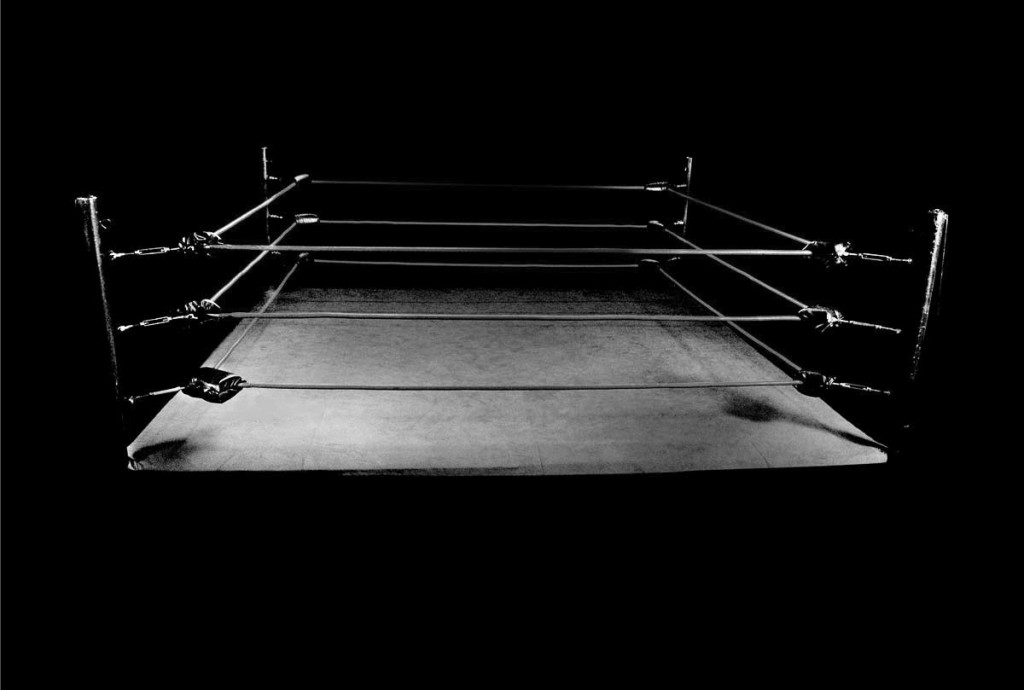
BB: As someone who moves around on your mats –
SF: (Smiling) I’ve seen you.
BB: Figuratively speaking, then, as someone who moves around on your mats, there’s a unique, almost hollow feeling. There’s not concrete on –
SF: There’s concrete down here, but you don’t want to touch it.
BB: It’s wooded-over, then?
SF: Yes, exactly. I began as a bowling alley. Some of the wood rotted. It’s been a half century. Those were fun times. Made quite a racket. The buzzer is not torturous as the candlepins were noise-wise. But it’s worse in its way.
BB: Not volume?
SF: Not at all. It’s soft and tinny by comparison.
BB: Then?
SF: My concept of time is decades. It’s hard for me to imagine increments less. Like y’all with millimeters –
BB: Milliseconds?
SF: Yes. I prefer metric. The buzzer goes off so often, so many times, and it builds this terrible anticipation. Like waiting for the next water to drop on your forehead. Relief comes when the damn thing gets turned off at night.
BB: Speaking of which, you’re well preserved in part because of how little time you’re actually open these days. You get mornings off.
SF: That is true. I do enjoy a lighter schedule. It began round 1980, six years after the Close Call.
BB: When they were going to raze you?
SF: Pretty euphemism.
BB: How close did you come?
SF: Well. They had demolition guys walking round. You think they do that at Monticello?
BB: How the hell do you know –
SF: Be surprised the things one picks up.
BB: Basketball game?
SF: Roller derby. They began coming on Tuesday nights some years ago. Then there’s the basketball people. And you guys in the ring below.
BB: Ever have any famous roller-derby participants?
SF: Any what?
BB: How about basketball players?
SF: Doubtful.
BB: Boxers?
SF: Plenty.
BB: How can you tell?
SF: It’s a congregation thing. There’s a way men and women upstairs look at certain players. It’s an admiration, like they’re watching while they imagine themselves being those persons. Then there are the looks sometimes downstairs. It’s a look of incredulousness. It’s the look persons give to persons they did not think they would ever see in front of them.
BB: It’d help this exercise a lot if you remembered any names.
SF: Julio Cesar Chavez, Mike Tyson, Danny Lopez, Jack Johnson, Oscar De La Hoya, Evander Holyfield, Salvador Sanchez.
BB: Those guys have all been here?
SF: Except Jack Johnson. Made that one up.
BB: He was from Texas at least.
SF: Like me.
BB: I’ve read there’s a rule every building grows. But you seem not to have grown.
SF: Inside, some, but no, not outside. They’ve updated bathrooms and put on coats of paint. The lockers and shower downstairs, those weren’t with me before. There are walls inside, concrete. The materials are cheaper inside than out. Because of that infernal heater, I guess.
BB: It’s the only part of you I hate. Who the hell installs an industrial heater in steamy South Texas?
SF: The crazy Portuguese, that’s who!
BB: Joe Souza?
SF: Yes. He did all my interior decorating, too. Such as it is.
BB: These are his fight posters?
SF: All of them. They say his family wants them. The Parks & Rec guys will probably paint me again once they’re gone.
BB: How long have you been city property?
SF: 1974.
BB: Does it bother you?
SF: Not like it did. We are not all destined to be museums, coddled and soft, temperature-controlled this and that. There’s the historic-preservation people, too. Seeing y’all makes me hopeful. It means if someone decides to buy me from the city, which I do not expect to happen, these people will not be able to tear me down.
BB: That’s good.
Bart Barry can be reached via Twitter @bartbarry